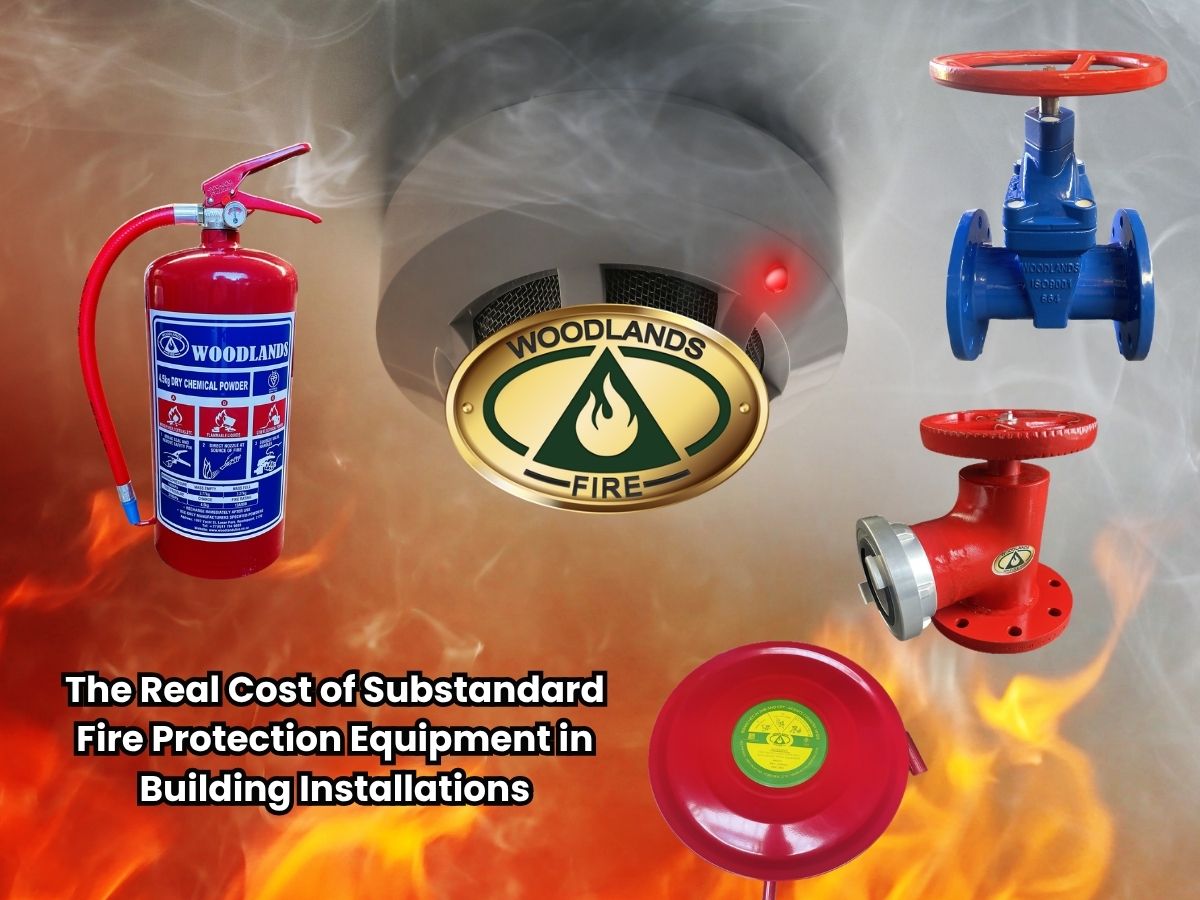
Fire
protection hardware sits idle for months or years, yet it must operate under
extreme hydraulic pressure instantly during an emergency. If substandard
materials fail when called upon, the consequences are immediate and severe.
What Happens When Fire Equipment Fails?
Cutting corners on initial hardware quality creates points of failure throughout the fire ring main and reticulation network.
1. Inability of Fire Services to Combat the Blaze
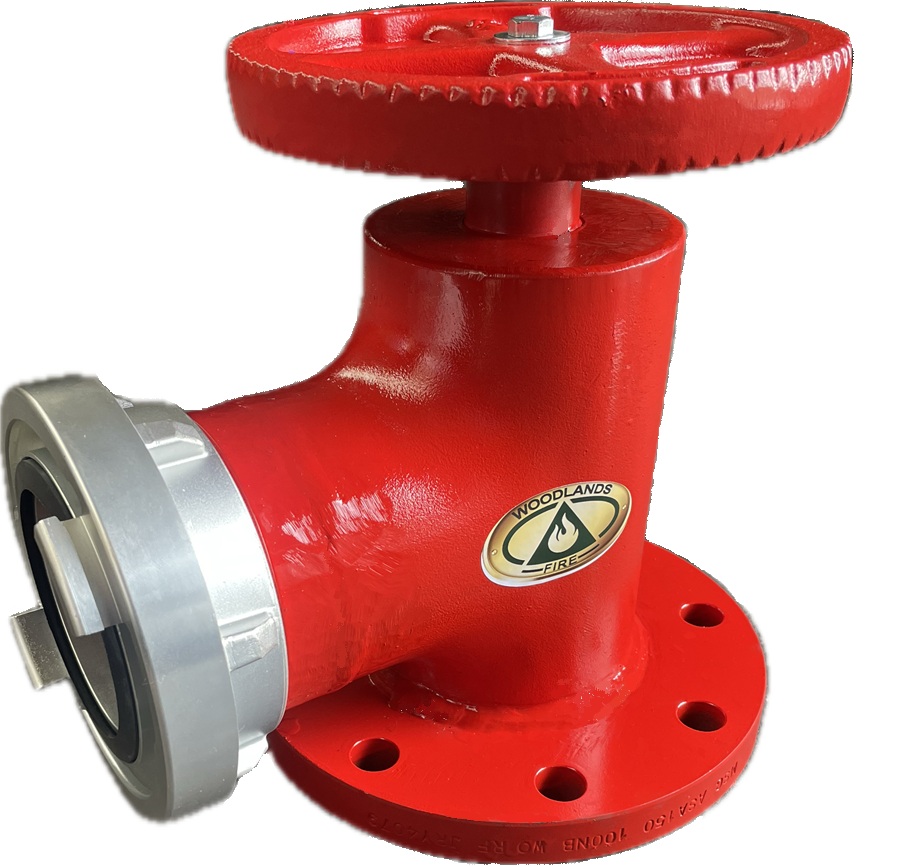
Municipal fire brigades rely on predictable, standardised connections and steady water delivery. Substandard hydrants frequently suffer from manufacturing defects, such as incorrect threading, off-spec outlet dimensions, or brittle casting. If a fire crew arrives on-site and cannot connect their standard layflat hose couplings to a hydrant, or if the spindle shears off under torque, they lose critical minutes sourcing alternative water supplies.
2. Loss of Life and Severe Asset Damage
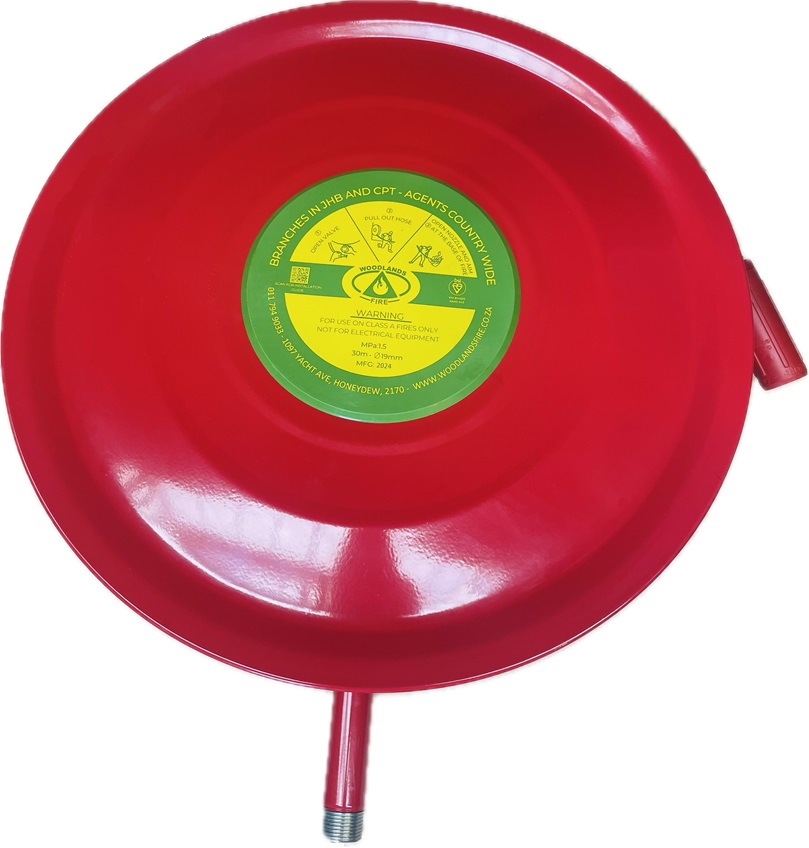
Fire hose reels and portable extinguishers serve as the first line of defence for building occupants before emergency services arrive. If a hose reel jams on its drum, leaks heavily at the waterway, or fails to deliver the required pressure due to poor internal seals, small, manageable fires can spread across entire floor plans within minutes.
3. Immediate Insurance Claim Repudiation
Following a major fire, insurance underwriters appoint forensic assessors to inspect the premises and determine whether the building adhered strictly to National Building Regulations. If assessors discover that uncertified valves, non-approved hydrants, or substandard hose reels contributed to the loss, insurers have legal grounds to repudiate claims entirely. Property owners are left to carry the entire financial burden of rebuilding and third-party liabilities.
4. Premature System Degradation and Water Damage
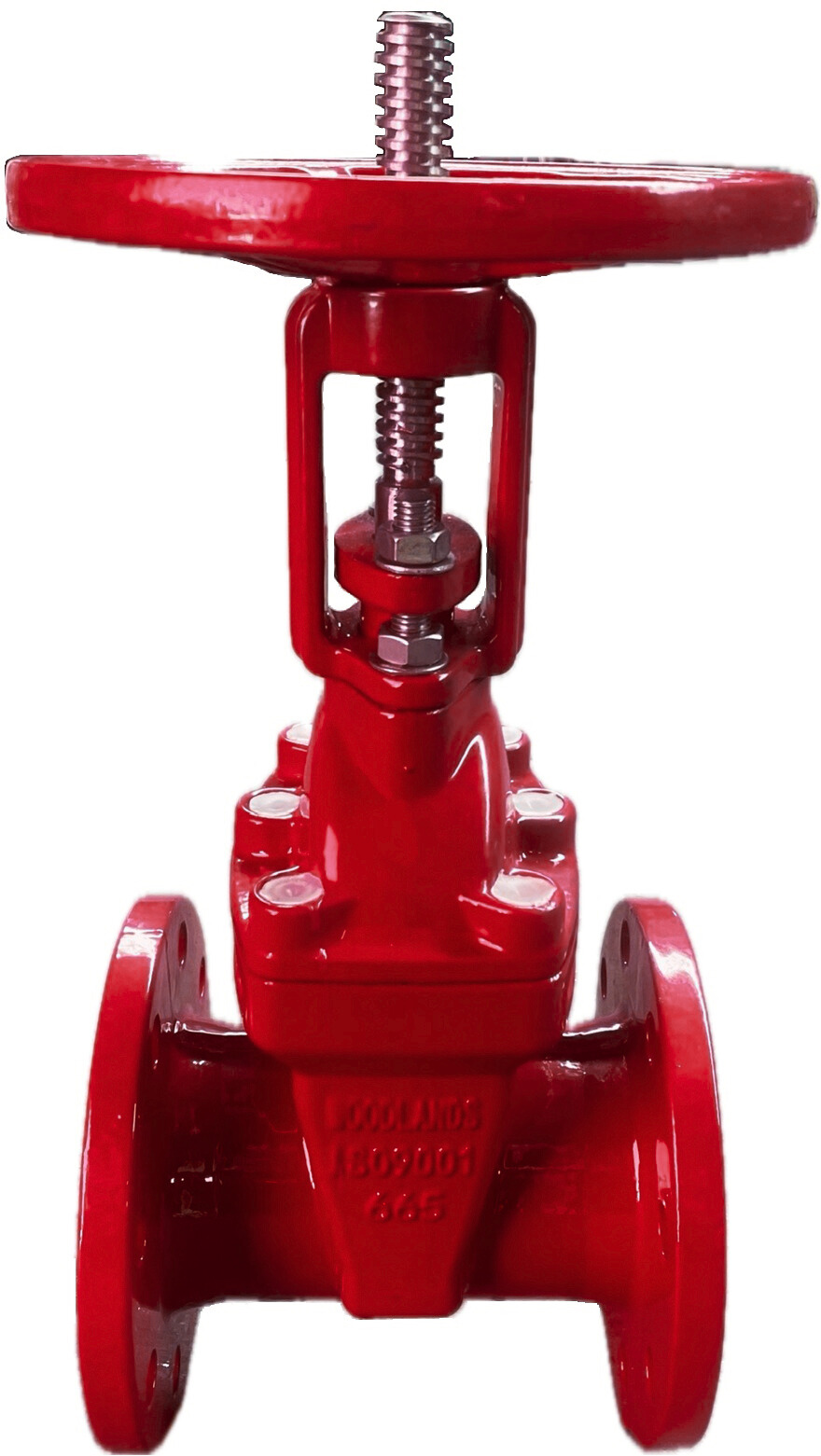
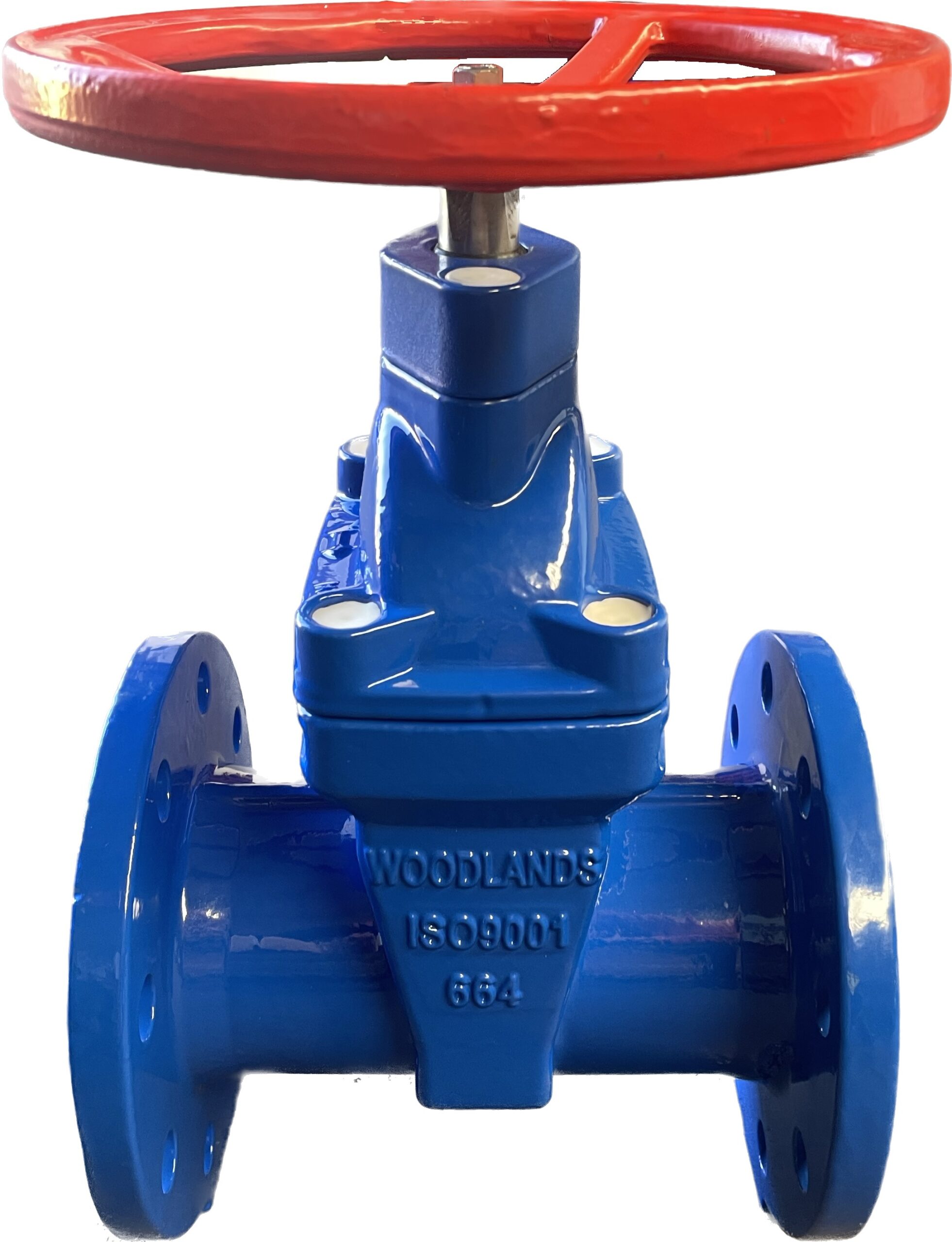
Low-grade isolation valves, non-return valves, and resilient seal gate valves (RSVs) often use inferior elastomers and untreated metal alloys. Over time, these components corrode, seize, or leak underground. A burst pipe or failing valve within a fire reticulation ring can cause substantial structural and stock damage long before a fire ever occurs.Critical Standards: SANS
To protect building assets and ensure system reliability, all installed equipment must comply with South African National Standards (SANS).
· SANS 1128: Dictates the exact dimensions, manufacturing tolerances, and pressure ratings for fire hydrants, hose couplings, and adaptors. Non-compliant imported units often deviate from these tolerances by just a few millimetres, preventing fire department equipment from latching securely.
· SANS 543: Specifies performance, pressure, and burst requirements for fire hose reels.
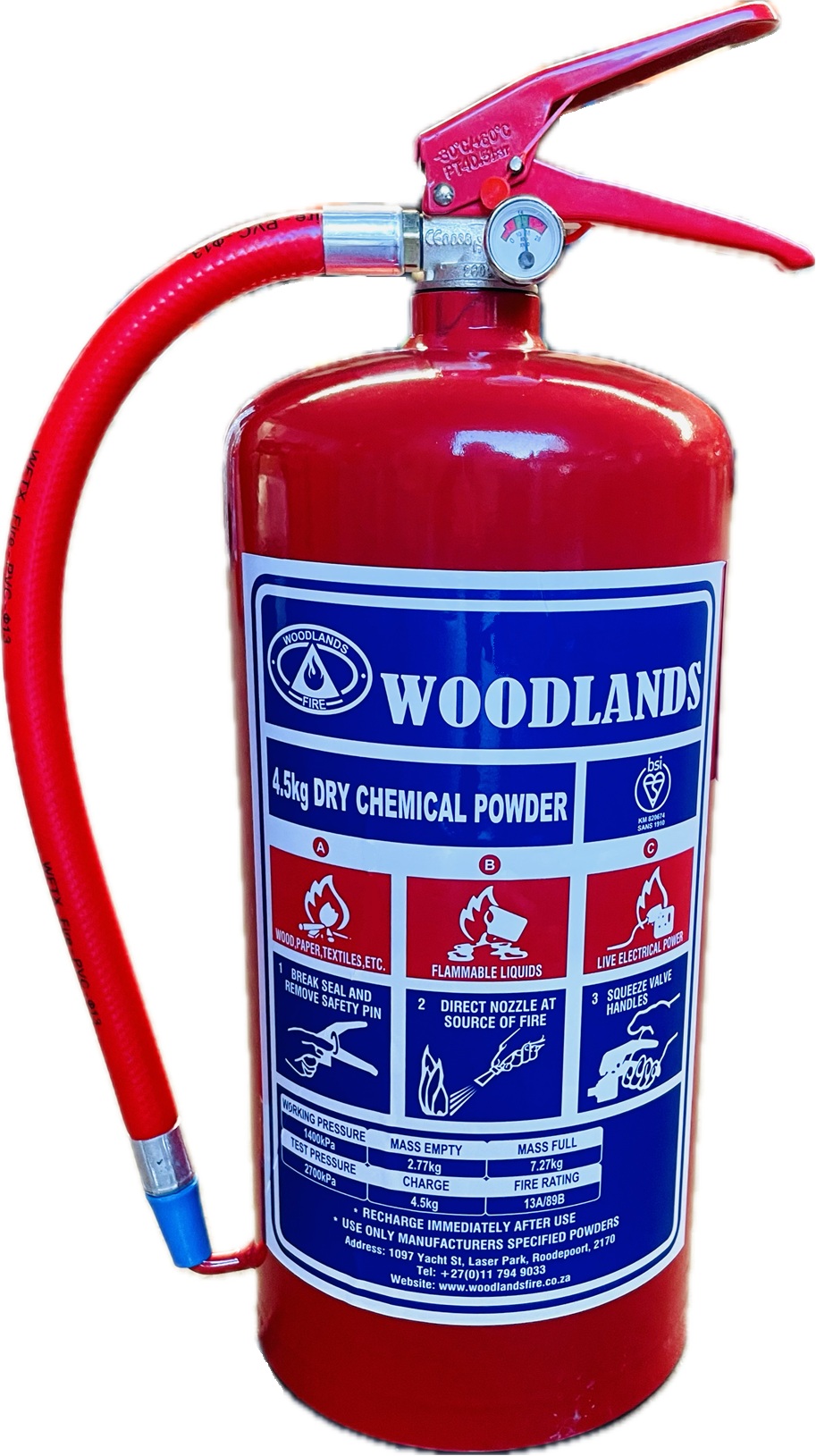
· SANS 1910: Governs the manufacturing and safety specifications of portable fire extinguishers.
· SANS 10400-T: Covers fire protection design, ring main installations, and minimum flow rates required for municipal approval and occupancy certification.
Core Components That Demand Quality Engineering
| Component | Function in the System | Key Quality Factors to Check |
| Above & Below Ground Hydrants | Primary water source for fire department fire trucks and layflat hose lines. | Robust body casting, precision-machined threads (SANS 1128), and Stainless Steel internal spindles. |
| Resilient Seal Gate Valves (RSV) | Isolates sections of the fire ring main for maintenance or emergency control. | Full-bore flow with zero restriction, high-grade EPDM encapsulated gates, and ISO Approval Products |
| Non-Return Valves (Check Valves) | Prevents backflow and maintains dedicated system pressure across boosters and mains. | Fast-acting spring mechanisms, durable seating materials, and reliable seals under variable pressure. |
| Fire Hose Reels | Manual first-attack equipment for building occupants. | Solid brass internal waterways, UV-resistant powder coating, BSI And SABS certified product. |
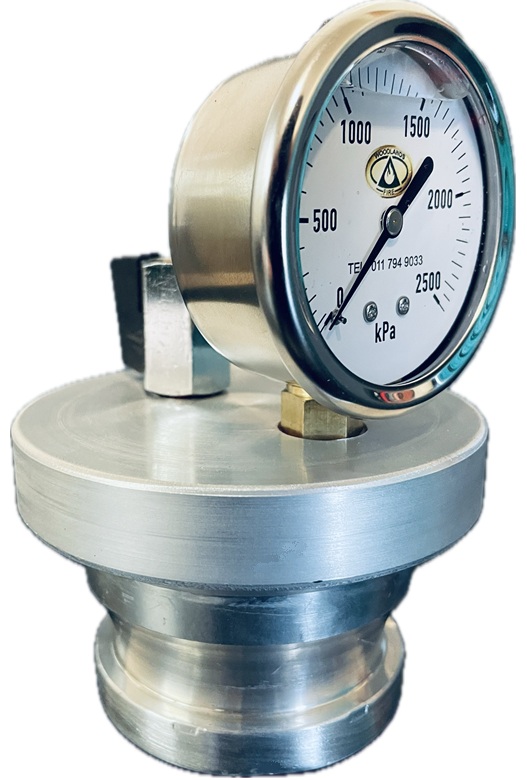

Specifying for Long-Term Reliability
Building owners, consulting engineers, and wet services contractors must look past the initial purchase price. Selecting locally manufactured, fully certified fire protection equipment ensures:
· Direct adherence to South African municipal requirements.
· Guaranteed dimensional compatibility with local fire department equipment.
· Long-term availability of replacement parts, seals, and accessories.
· Valid compliance documentation for occupancy sign-offs and insurance audits.
Ensure your projects specify tested, compliant equipment at the design stage to avoid costly retrofits and operational failures when safety is on the line.